
The Game of the Century was played on October 17, 1956, when 13-year-old Bobby Fischer defeated Donald Byrne at the Rosenwald Memorial in New York. It earned its nickname because a schoolboy produced a queen sacrifice and a windmill combination so precise that seasoned masters were astonished.
Chess journalist Hans Kmoch coined the phrase "Game of the Century" in his report. The name stuck because the game combined youthful daring with mature, exact calculation in a way rarely seen from a player of any age, let alone a teenager.
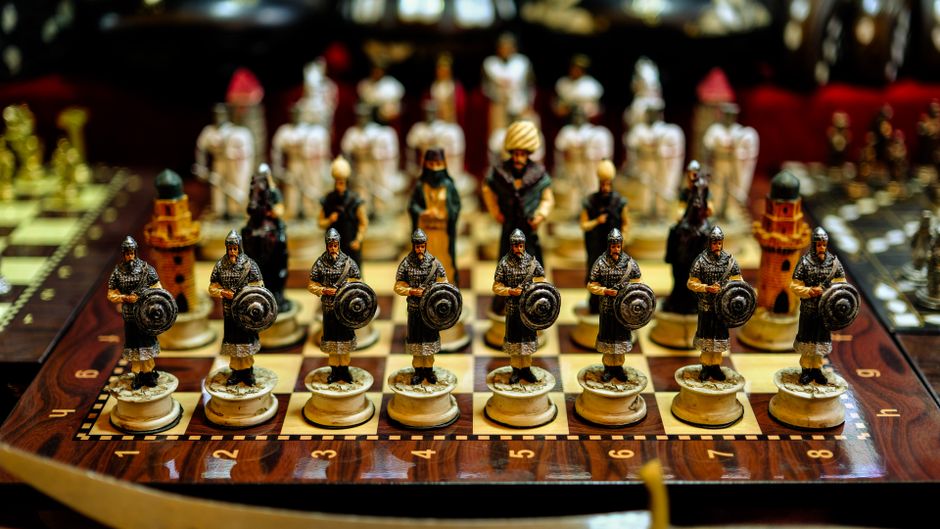
The Setup
Donald Byrne was a strong American master and a favorite in the encounter. Fischer, still unknown outside New York clubs, played the Black side of a Grünfeld-style setup that transposed into a King’s Indian Defense structure.
Byrne pushed for the initiative, but Fischer met the pressure with a series of quiet developing moves. The turning point came on move 17, when Fischer played the astonishing Be6, offering his queen rather than retreating a threatened piece. Accepting the queen would have allowed Black to build an overwhelming attack with his minor pieces and rooks.
Byrne could not take the queen safely, so the game continued with Fischer’s pieces swarming the board. What looked like a blunder was in fact the entry point to a forced sequence Fischer had calculated many moves ahead.
The move stunned spectators at the Marshall Chess Club, where the game was played. Onlookers reportedly gathered around the board as word spread that the youngest competitor in the event was doing something extraordinary against a respected master.
Byrne played on to the finish rather than resign quickly, a decision some read as respect for the quality of Fischer’s play. Allowing the mate let the full combination appear on the board, preserving it in complete form for the countless replays that followed.
The Combination
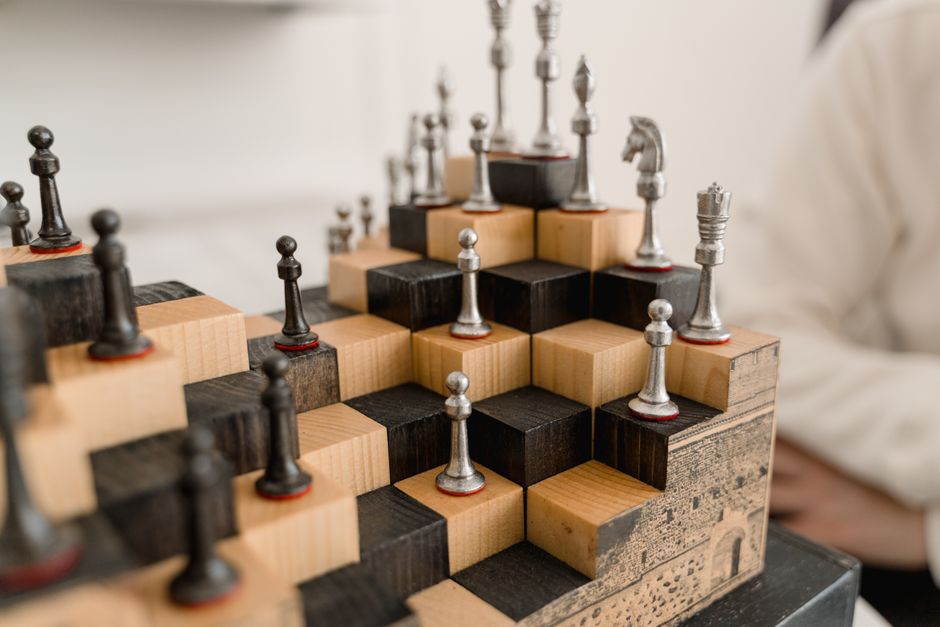
After the queen offer, Fischer unleashed a windmill — a repeating sequence of discovered checks that let him capture material on every cycle. Piece by piece, he collected far more than the queen was worth.
The key features of the combination were:
- A discovered check that forced Byrne’s king to move.
- A returning knight and bishop that harvested pawns and pieces with each check.
- Total coordination, with every black piece playing an active role.
- A clean conversion to a winning endgame with a material surplus.
When the dust settled, Fischer had two rooks, two bishops, and a knight against Byrne’s helpless queen. The finish was a forced mate that Byrne allowed rather than prolong a lost position.
The lesson is not the flashy sacrifice itself but the calculation behind it — Fischer saw the entire windmill before committing his queen.
Why It Still Resonates
The game is a fixture in chess textbooks because it shows that spectacular sacrifices must be backed by exact analysis. Fischer did not gamble; he counted.
| Element | Fischer’s play | What it teaches |
|---|---|---|
| Queen sacrifice | Move 17, Be6 | Value is dynamic, not fixed |
| Windmill | Discovered checks | Tactics can be forced and repeatable |
| Piece activity | All pieces engaged | Coordination beats raw material |
| Result | Full point for Black | Preparation rewards the bold |
The table shows that each dazzling moment rested on a sound idea. That blend of beauty and rigor is exactly what makes a game memorable rather than merely flashy.
The game also rewards study of the moves before the fireworks. Fischer’s quiet development and precise handling of the opening created the harmony that made the sacrifice possible. Beginners who focus only on move 17 miss the patient buildup that earned Fischer the right to sacrifice.
Decades of engine analysis have confirmed the soundness of the combination. Where a lesser sacrifice might have been refuted by later software, Fischer’s calculation holds up, which is rare for a game played by a teenager without any of the tools modern players rely on.
The Windmill Explained

The windmill deserves a closer look because it is one of the most elegant tactical patterns in chess. It works when a piece delivers a discovered check, the enemy king is forced to move or block, and the discovering piece then swings back to capture before repeating the cycle.
In Byrne–Fischer, the mechanism let Fischer harvest material with mechanical certainty. Each cycle of check and capture stripped away another of Byrne’s pieces while Fischer risked nothing, because the checks were forcing and left his opponent no time to organize a defense.
Understanding the windmill helps a student see why Fischer’s queen sacrifice was safe rather than reckless. The sacrifice opened the door to the windmill, and the windmill guaranteed a return far exceeding the queen’s value. The two ideas worked as a single, coordinated plan.
Fischer’s Path Forward
The game announced Fischer as a prodigy. Within a few years he became the youngest U.S. Champion in history, and by 1972 he took the World Championship from Boris Spassky in Reykjavik.
The Game of the Century marked the first time the wider chess world understood that a generational talent had arrived. Even as an adult, Fischer rarely produced a combination more admired than the one he found at thirteen.
The game also reshaped how coaches teach ambition. Rather than warning students away from sacrifices, teachers point to Byrne–Fischer as proof that boldness works when calculation supports it.
It is worth remembering the game did not decide a title or a major prize. Its fame rests entirely on its content, which is a reminder that a single brilliant game can outlast tournaments and standings. Chess history keeps the best ideas, not just the biggest events.
Replay the game slowly and pause at move 17. Ask yourself whether you would trust your calculation enough to give up your queen. Fischer did, and the result became one of the most replayed and beloved games in the history of the sport — a permanent reminder that age is no barrier to genius when the analysis is sound and the courage is real.