
Magnus Carlsen trains less with rote opening memorization and more with deep understanding, constant play, and physical fitness. His preparation looks different from the stereotype of a player buried in opening books, and parts of it are surprisingly copyable.
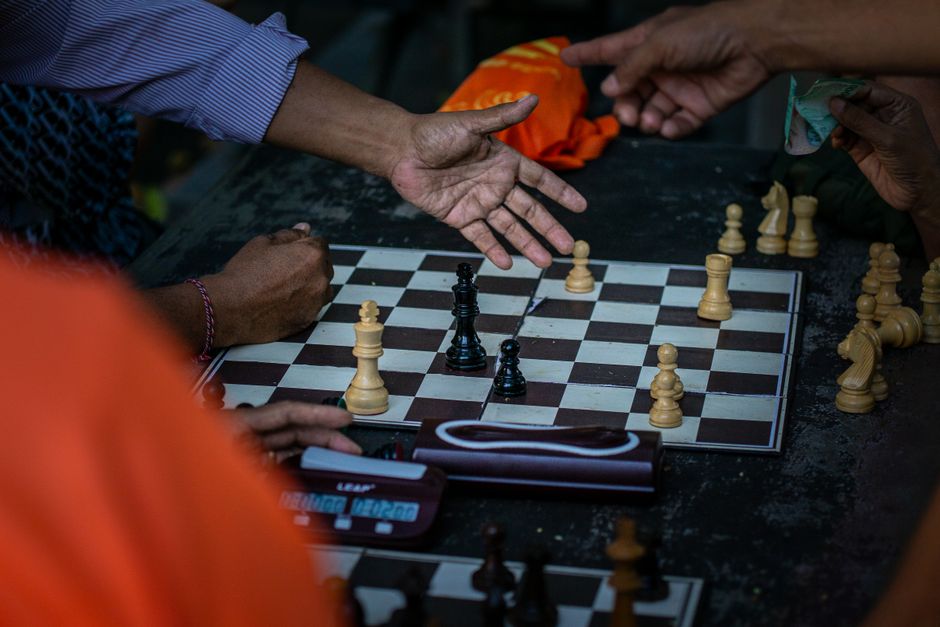
A famous memory for positions
Carlsen is known for recalling thousands of games and positions. That memory did not come from flashcards — it came from years of playing and reviewing games until patterns became instinct.
- He absorbed classic games from a young age.
- He replays and analyzes his own games closely.
- Recognizing familiar structures lets him play strong moves quickly.
Pattern recognition, not memorized lines, is the heart of his skill.
Endgames over openings
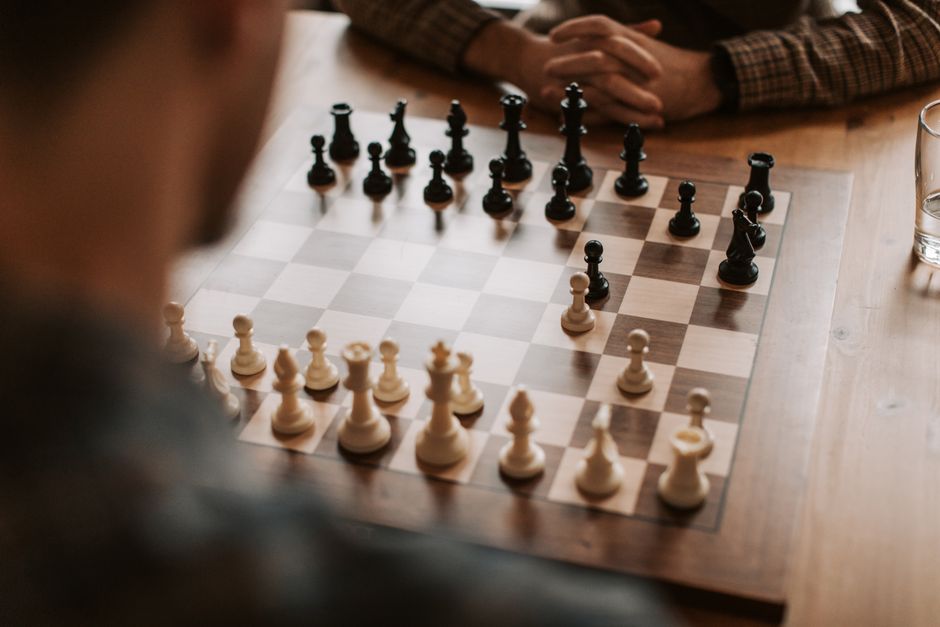
While rivals pour effort into opening theory, Carlsen often steers games toward the middlegame and endgame, where his understanding is deepest. He is content to leave the opening roughly equal and outplay opponents later.
Tip you can use: spend more study time on endgames than openings. Most club games are decided by the middlegame and endgame, not by move ten of the opening.
Playing constantly
Carlsen plays a huge amount of fast online chess. Blitz and bullet games sharpen his intuition and expose him to countless positions in a short time.
| Habit | Why it helps |
|---|---|
| Fast online games | Builds intuition and speed |
| Reviewing losses | Turns mistakes into lessons |
| Varied openings | Keeps preparation flexible |
Fitness matters
Carlsen treats physical fitness as part of chess training. Long games are mentally exhausting, and staying fit helps him keep calculating accurately deep into a session when opponents tire.
What to borrow
You will not match his talent, but three habits are within reach: study endgames seriously, play and review lots of games, and stay rested and fit for long sessions. Those alone will lift most players’ results — no photographic memory required.