
Tal vs Botvinnik, played in Moscow in the spring of 1960, produced a stunning result: 23-year-old Mikhail Tal defeated the long-reigning Mikhail Botvinnik to become the youngest world champion in history to that point. The Magician from Riga overwhelmed the patriarch of Soviet chess with the attacking, sacrificial style that had carried him through the qualifying cycle.
The match matters because it was a clash of eras and philosophies. Botvinnik represented deep, scientific preparation; Tal represented intuition, imagination, and calculated risk.
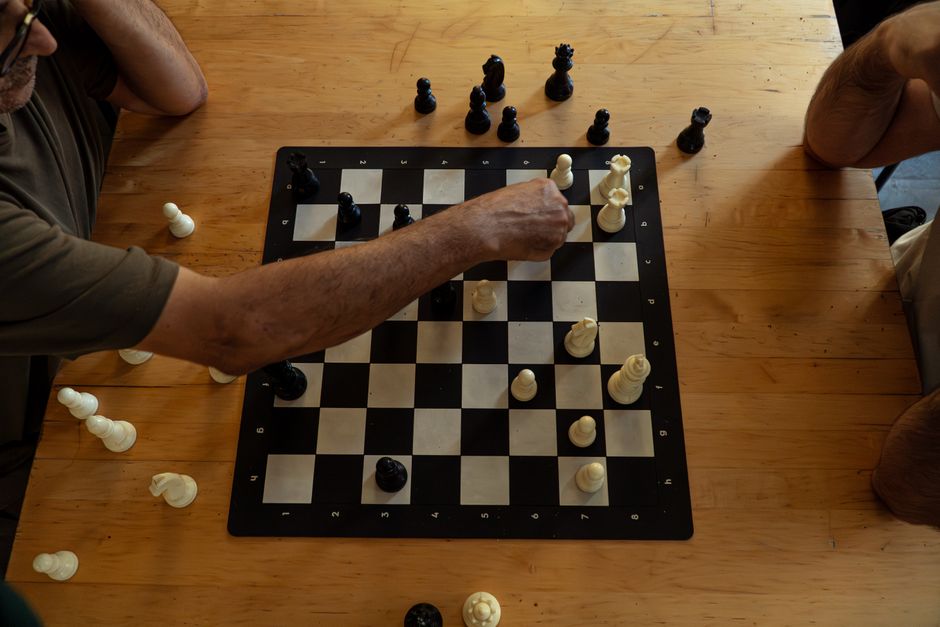
The Two Champions
Botvinnik was the towering figure of Soviet chess, a methodical strategist who treated the game as a science and had held the title for most of the previous decade. He prepared with unmatched rigor and was famous for his iron logic.
Tal was his opposite in almost every way — a spontaneous attacker who sacrificed material to create the wild complications in which his genius thrived. The contrast made the match a compelling test of whether preparation or inspiration would prevail.
Few expected the young challenger to overpower such a disciplined champion. Botvinnik had turned back strong contenders before, and his experience seemed a decisive advantage on paper.
Tal had earned his shot the hard way. He swept through the Soviet Championship, the Interzonal, and the Candidates Tournament, defeating a field of elite grandmasters with the same fearless style he would bring to the title match. By the time he faced Botvinnik, he was riding a wave of momentum.
The generational gap between the two players was striking. Botvinnik belonged to the old guard of scientific chess, while Tal represented a younger, more romantic spirit. The match felt like a referendum on how the game should be played.
How Tal Won
Tal seized the initiative from the opening games, sacrificing pieces and pawns to drag Botvinnik into positions of maximum chaos. Botvinnik, more comfortable in clear strategic battles, struggled to defend against the constant threats.
The match’s key features were:
- Early aggression from Tal that set the tone.
- Speculative sacrifices that Botvinnik could not always refute at the board.
- Relentless complications that favored Tal’s tactical vision.
- A decisive margin that gave Tal the title clearly.
Tal won the match convincingly, capturing the crown and confirming his reputation as the most dangerous attacker alive. At 23, he set an age record that would stand until the next generation of prodigies emerged.
Several games from the match became instant classics. Tal’s sacrifices produced positions of dazzling complexity, and even the games he did not win crackled with tension. Fans and analysts pored over the moves, marveling at a challenger who seemed to invite chaos at every turn.
Botvinnik reportedly studied Tal’s style intensely after the loss, preparing to neutralize the young champion’s chaos in their scheduled rematch.
That preparation paid off. Botvinnik used his right to a return match in 1961 and reclaimed the title by steering games toward the calm, strategic positions where Tal’s sacrifices lost their sting.
Contrasting the Rematch
The two matches together tell a complete story. They show both the power and the limits of Tal’s approach against a supremely well-prepared opponent.
| Match | Year | Winner | Key factor |
|---|---|---|---|
| First | 1960 | Tal | Attacking chaos |
| Rematch | 1961 | Botvinnik | Strategic preparation |
The table captures the swing. Tal’s imagination won the first battle, but Botvinnik’s scientific method won the second, reclaiming the crown after just one year.
Two Philosophies Collide

The match is remembered as much for what it represented as for its result. Botvinnik had built his career on the belief that chess could be mastered through disciplined study and objective analysis.
Tal challenged that belief head-on. He argued, in effect, that imagination and psychological pressure could overcome even the deepest preparation, and in 1960 he proved it against the greatest exponent of the scientific approach.
The clash showed that both philosophies had merit, and that neither alone guaranteed success. Tal’s inspiration won the first match, but Botvinnik’s method won the rematch, leaving the debate unresolved and richer for it.
That tension between intuition and preparation still runs through chess today. Every player must find a personal balance between calculating deeply and trusting instinct, and the Tal–Botvinnik matches remain the classic illustration of what lies at each extreme.
The Legacy of 1960
Even though Tal’s reign was brief, the 1960 match remains one of the most celebrated championship victories ever. It proved that daring, intuitive chess could topple the most methodical champion in the world.
Tal’s win inspired generations of attacking players and gave the sport one of its most beloved figures. His games from the qualifying cycle and the match itself are studied as models of dynamic, fearless play.
The match also highlighted a truth about chess at the highest level: brilliance alone is not enough against a champion who adapts. Botvinnik’s swift comeback showed that preparation can answer inspiration.
Tal’s health, which troubled him throughout his life, may also have contributed to the loss of the rematch. He was unwell during parts of the 1961 match, and some believe a fitter Tal might have defended his crown. The question is one of chess’s great unanswerable "what ifs."
Regardless, the 1960 victory secured Tal’s place in history. He had climbed to the summit through sheer imagination and nerve, and no later disappointment could erase that achievement.
More than six decades later, the match still draws students and fans who want to see attacking chess at its most fearless. It marked the arrival of a champion whose name became a byword for imagination, and its games continue to appear in anthologies of the sport’s most thrilling encounters. Replay the games from 1960 and watch a young genius at his absolute peak. The sacrifices fly, the complications multiply, and the great Botvinnik is swept aside. It was the brief, dazzling moment when the Magician wore the crown — a reign short in years but permanent in the imagination of chess fans everywhere.