
Mikhail Tal played the most daring attacking chess of any world champion, sacrificing pieces to create chaos his opponents could not calculate their way out of. He earned the nickname "the Magician from Riga" and became world champion in 1960 at age 23, then the youngest ever to hold the title.
His style matters because he proved that psychological pressure and practical complications can outweigh strict material accuracy. Tal often sacrificed on intuition, trusting that his opponent would crack in the resulting confusion.

What Made Tal Different
Most strong players calculate a sacrifice to a clear conclusion before committing. Tal frequently did not. He would offer a knight or a pawn to open lines and then find the follow-up over the board, relying on his extraordinary tactical vision.
Tal’s central belief was that a position bristling with threats is worth more than a small material edge, because a human opponent cannot see everything. He deliberately steered games into wild, unclear waters where his imagination gave him an advantage.
He famously joked about leading opponents into a deep forest where two-plus-two makes five and the path out is only wide enough for one. The quip captured his method: create complications so dense that only he could navigate them.
Tal’s tactical eyesight was legendary. He could see combinations that others missed entirely, and he trusted that vision even when the full consequences were unclear. Opponents who tried to calculate their way through his complications often found themselves lost in variations he had already mapped.
His personality reinforced his style. Tal was charismatic, quick-witted, and fearless, and he brought that energy to the board. Where a cautious player might avoid a messy position, Tal actively sought it, believing that confusion was his natural habitat and his opponent’s nightmare.
The Great Attacks
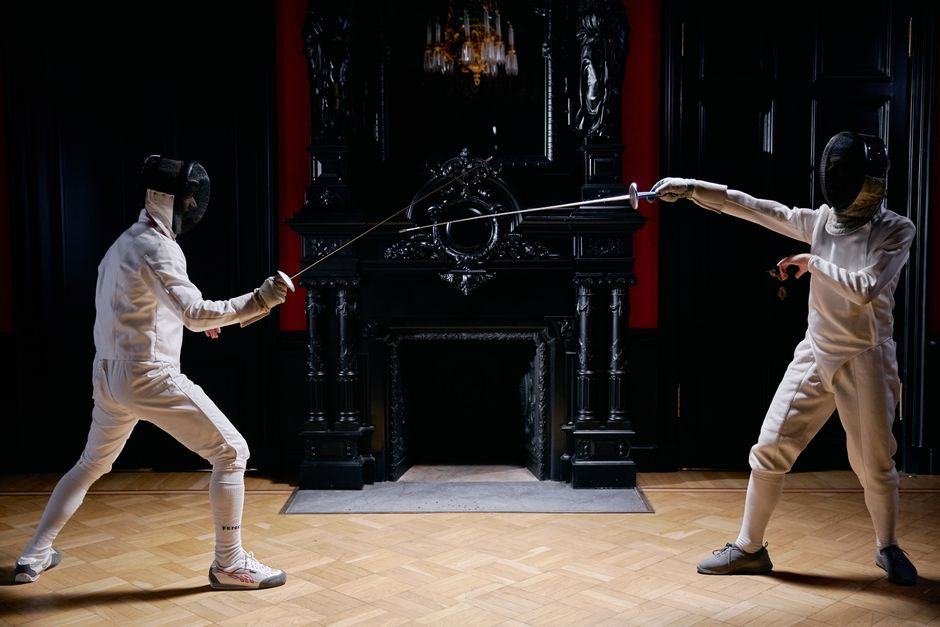
Tal’s peak came in the late 1950s. He won the Soviet Championship, the Interzonal, and the Candidates Tournament in quick succession, then defeated Mikhail Botvinnik for the world title in 1960.
His signature games share common features:
- Early piece sacrifices to seize the initiative.
- Open lines aimed directly at the enemy king.
- Relentless follow-up threats that never let the opponent breathe.
- Psychological intimidation, with a famously piercing stare across the board.
Botvinnik regained the title in a 1961 rematch by steering toward calmer positions, showing that Tal’s approach carried real risk. Yet even in defeat, Tal remained one of the most feared attackers alive for another two decades.
Tal reportedly said that many sacrifices are not calculated to the end — they are made because they feel right, and the calculation comes afterward.
That admission reveals his genius and his gamble in one line. He accepted that some of his sacrifices were unsound, betting that no human could refute them in the tension of a real game.
Health, Records, and Longevity
Tal battled serious kidney illness throughout his career, which affected his consistency but never dimmed his brilliance. Remarkably, he set a record long unbeaten streak in the 1970s, going dozens of games without a loss.
| Milestone | Detail |
|---|---|
| World title won | 1960, defeating Botvinnik |
| Age at title | 23, youngest of his era |
| Nickname | The Magician from Riga |
| Notable record | Long unbeaten streak in the 1970s |
The table shows a career of extremes: a rapid rise, a short reign, and a lasting reputation built on beauty rather than results alone. Tal won many strong tournaments even after losing the crown.
His durability despite chronic illness is part of the legend. Tal played and won at a high level for decades while managing serious health problems, a reminder of how much sheer love of the game drove him. He competed for the joy of the fight, not only for titles.
Even in his later years, when his results were less consistent, Tal remained capable of producing brilliancies against the world’s best. Younger grandmasters spoke of him with awe, aware that on his day he could conjure attacks no one else would even consider.
Learning From the Magician
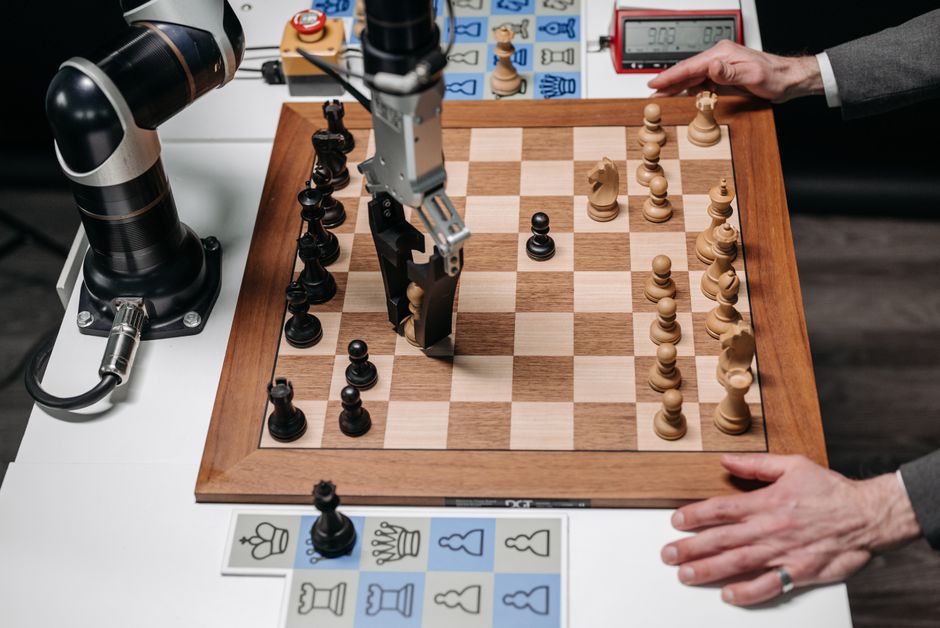
Studying Tal offers a specific benefit that stronger, more accurate models cannot provide. His games teach a player to look for active, forcing continuations first, before settling for a safe but passive move.
That habit is valuable even for players who could never calculate as Tal did. By asking whether a sacrifice or an aggressive thrust might work, a student trains their tactical eye and learns to spot opportunities others overlook.
The deeper lesson is that chess rewards initiative, and that seizing the attack often matters more than clinging to material. Tal took this principle to an extreme, but the underlying idea applies at every level of play, from beginners to grandmasters.
His games also remind us that chess is meant to be enjoyed. Tal played with obvious delight, and that spirit is contagious. Many players trace their love of attacking chess directly to the first Tal game they ever replayed.
Tal’s Enduring Appeal
Decades after his death in 1992, Tal remains the favorite player of countless attacking enthusiasts. His games are collected, replayed, and studied not for their objective perfection but for their courage and creativity.
His legacy is the idea that chess can be an art of risk, where the goal is to overwhelm the opponent’s mind rather than simply accumulate small advantages. Modern engines sometimes flag his sacrifices as inaccurate, yet the human drama he created is exactly what engines cannot reproduce.
Younger players study Tal to loosen their thinking. After too much cautious, engine-approved chess, his games remind them that boldness has practical value against a fallible human across the table.
Pick any of his classic wins and watch the pieces fly. You will not always find the cleanest path, but you will see something rarer: a champion who made every game a story, and who believed that the most dangerous weapon on the board was the doubt he planted in his opponent’s head.